When Home Feels Unsteady
Lately, it feels wrong to focus on marketing or promoting a business when our democracy feels so fragile.
We don’t seem to be seeing one another as full human beings right now. The political divide feels deep and personal, marked by anger, control, and racism, alongside moments of real hope, where people are showing up, advocating, and caring for one another. Both exist at once. And holding that contradiction is heavy.
I’m a Latina, though many assume I’m white. I’m an American citizen, yet generational trauma lives in the body. That trauma shows up as fear—fear for myself, for my family, for people simply going about their day: driving, running errands, existing. It’s a fear many women carry at all times, but right now it feels amplified.
As I sit at my computer trying to write this week’s blog post, newsletter, or social caption, I feel stuck. How do I talk about design when so much feels uncertain?
My work has always been about home as a safe haven. About creating spaces that offer comfort, dignity, and care. Our business is rooted in collaboration and community, with a commitment to supporting people of color, women, and the LGBTQIA+ community. We operate with intention, values, and respect.
So today, instead of design tips or product highlights, I want to encourage something different.
Pause. Look inward. Get clear on your values. Ask yourself how you can be an upstander, whether that action feels big or small.
Call your representatives. Have the hard conversations with family. Protest. Donate. Be conscious of where and with whom you spend your money.
And vote.
Creating a beautiful home matters. But protecting the humanity, safety, and dignity of the people who live in it matters more.

A note on conscious consumerism
If you’re looking for tangible ways to align your values with your actions, being mindful of where you spend your money matters. Some major companies have leadership or parent organizations that financially support Trump, ICE, and policies tied to this administration - policies that harm marginalized communities.
To name a few, these include Target, Home Depot, Tesla, Walmart, Amazon, Whole Foods, TJMaxx, and Uline.
If you’d like help navigating alternatives, Big Beautiful Boycott offers a rotating, weekly list of companies to boycott, along with context and resources to support more ethical spending decisions.
In a time when major retailers were retreating from DEI commitments, Shop Red Bag emerged as a response—using consumer activism to uplift the brands people truly believe in.
Change doesn’t only happen at the ballot box. It happens in our daily choices.
What I Choose to Support
In 2025, my New Year’s intention was simple but meaningful: I committed to not shopping from Amazon. I’m proud to say I followed through.
I didn’t want to support a company—or a billionaire—whose values feel misaligned with basic human rights. Instead, I wanted my everyday choices to reflect what I believe in. I’ve also found real purpose and joy in shopping small. As a small business owner myself, it felt important to practice what I preach and lead by example.
Yes, it can be easier to find what you need on Amazon. But I’ve learned that once you shift your habits, it becomes easier to discover alternative companies for your go-to needs. The experience is slower and more intentional.
Here are a few alternatives I personally love and return to:
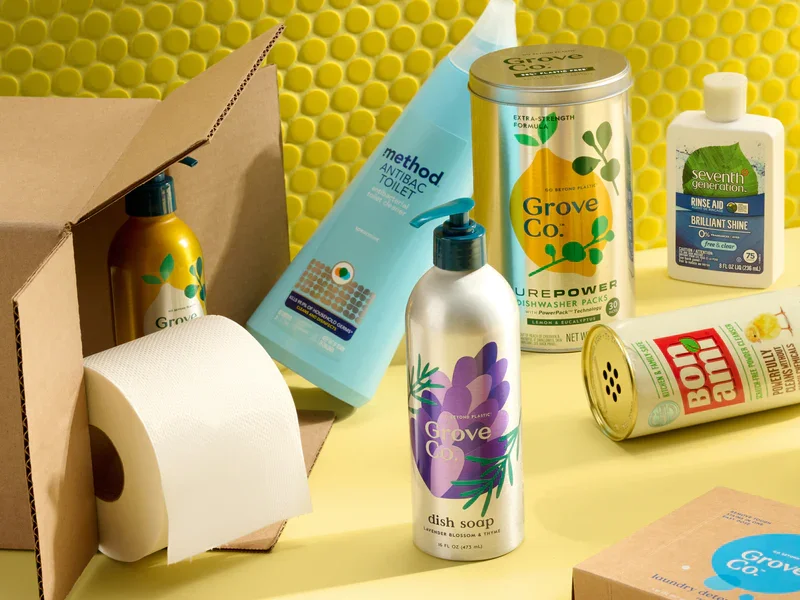
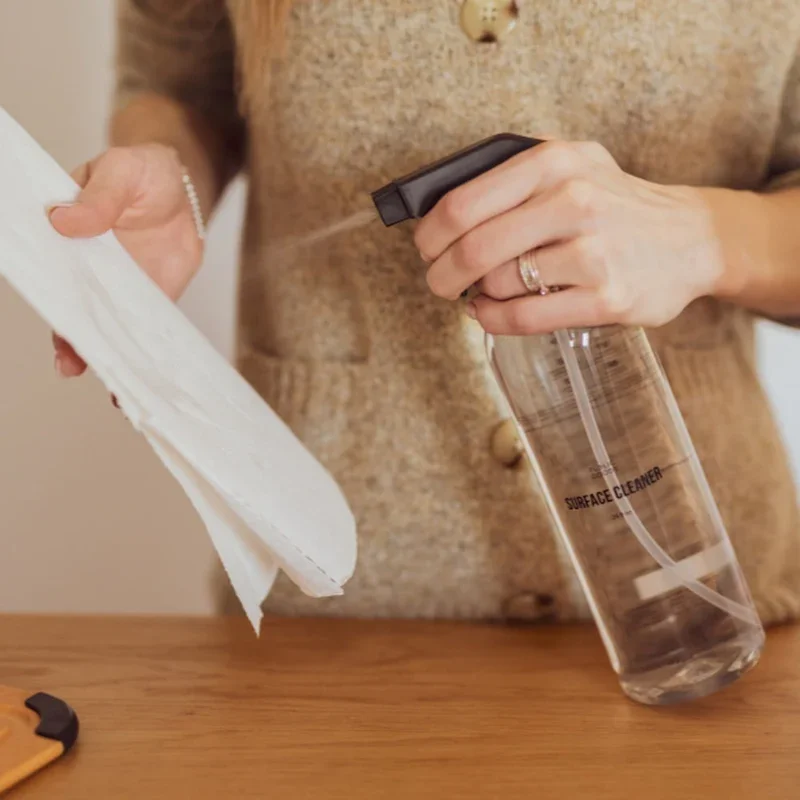
Cleaning + Paper Goods: Local grocery stores, Public Goods, Grove Collaborative, Costco
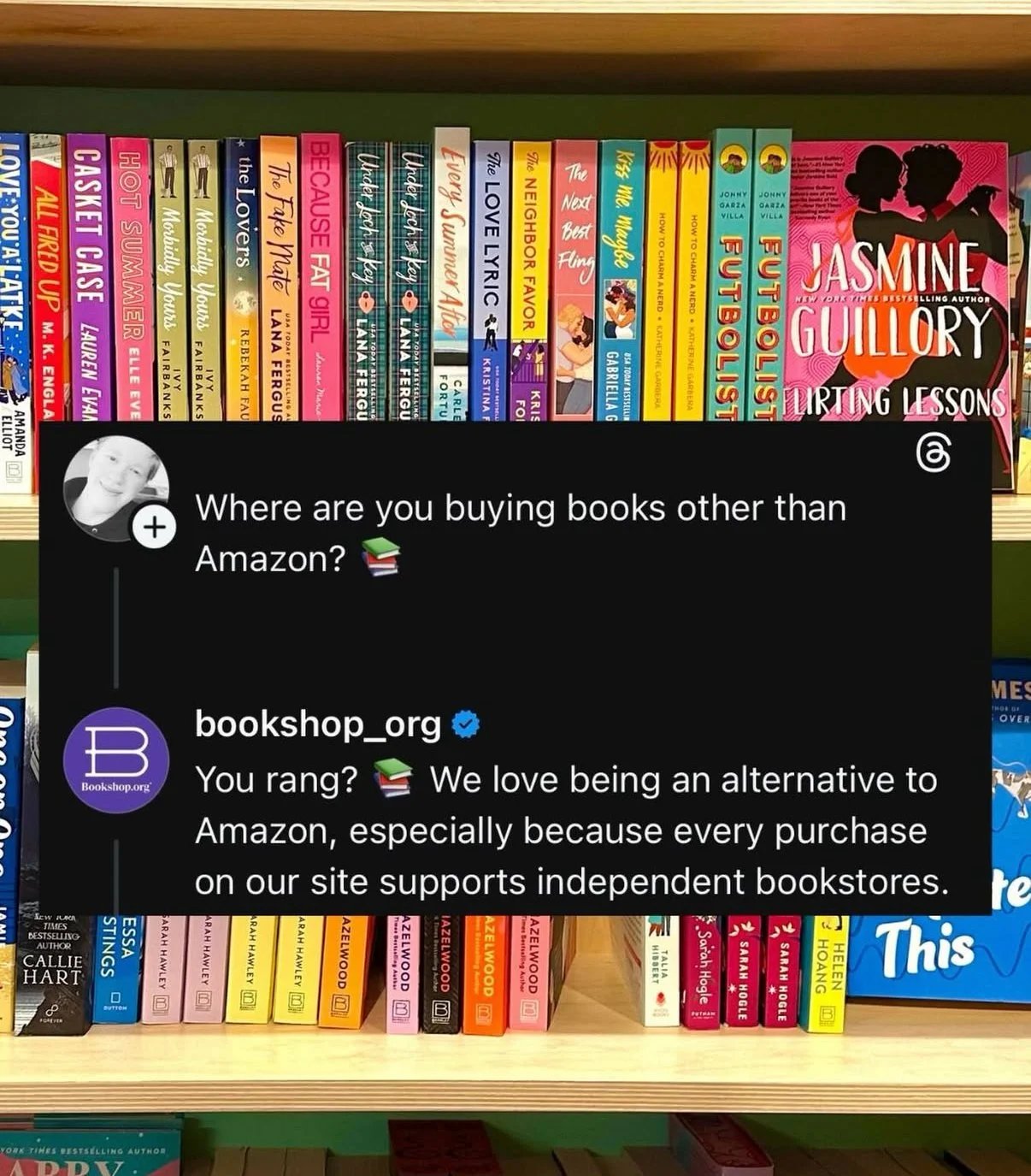
Books: Local bookstores and Bookshop.org
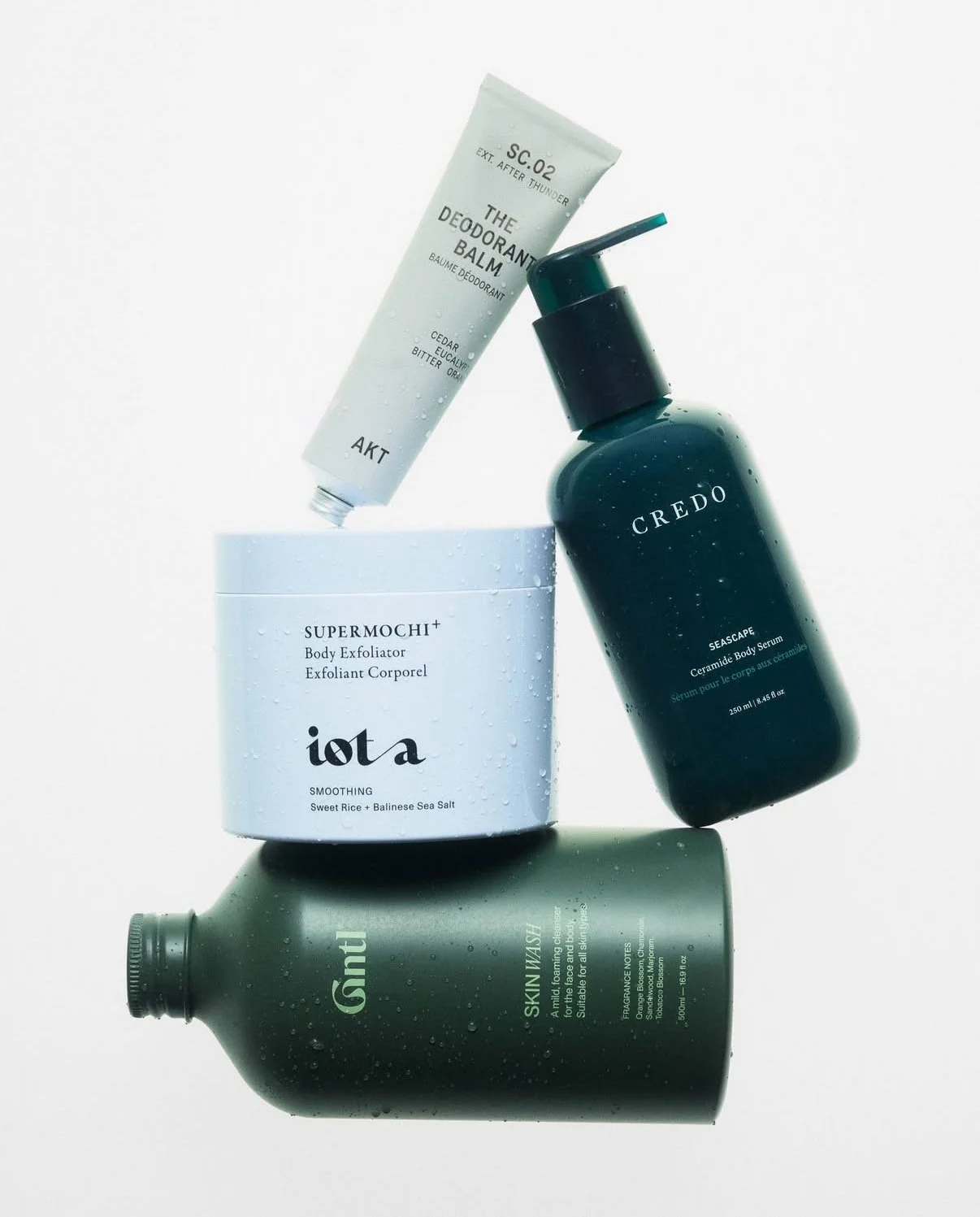
Beauty: Credo
Small shifts add up. And where we spend our money is one of the most powerful tools we have.